The Guardian Holidays

Destinations

Every landscape Sri Lanka offers - explored safely, understood deeply and remembered always.

Sri Lanka is a teardrop island of extraordinary geographical variety: 1,300 kilometres of coastline, a highland plateau of tea estates and cloud forest, a Cultural Triangle of ancient cities and a national park network protecting remarkable wildlife. The Guardian Holidays knows every corner of this island and presents each destination as a real, vivid place with its own character and particular rewards.

Warm water, unhurried days and a coastline that changes character around every headland.

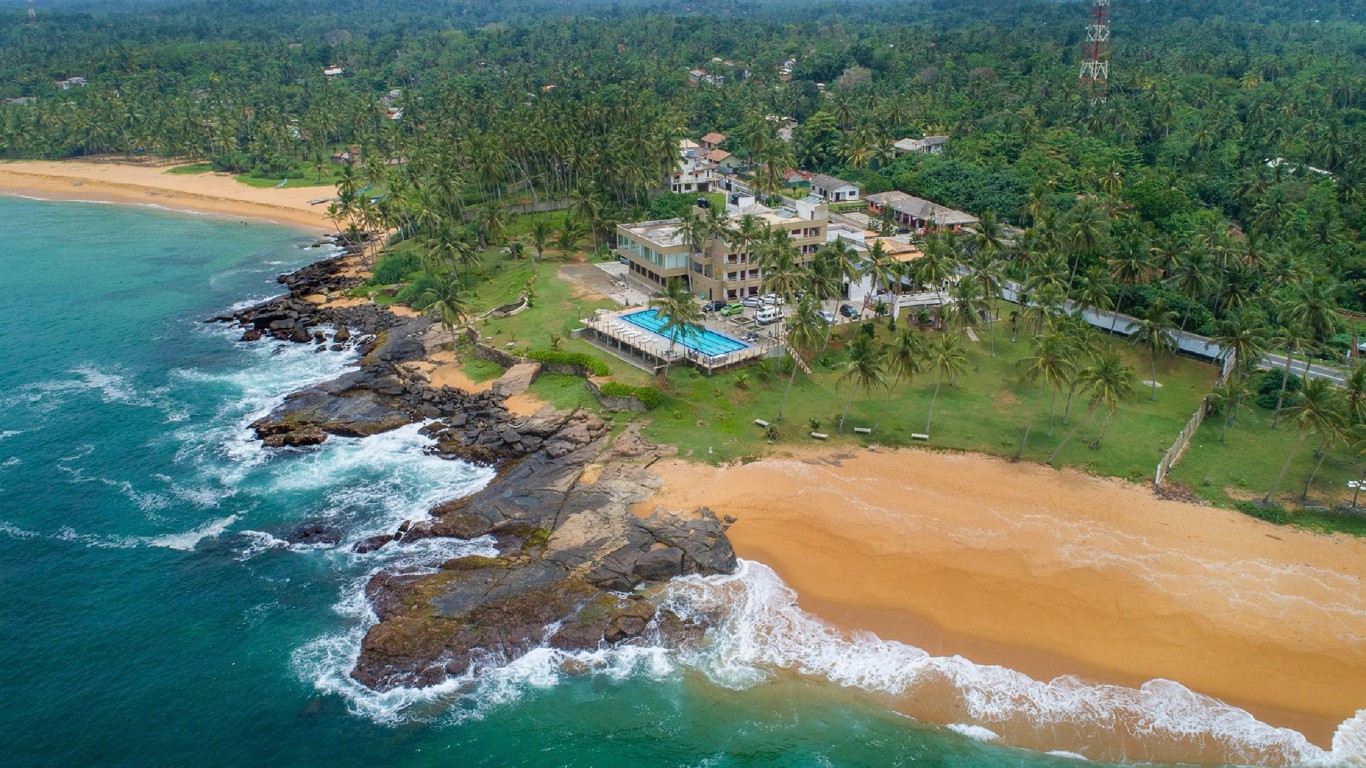
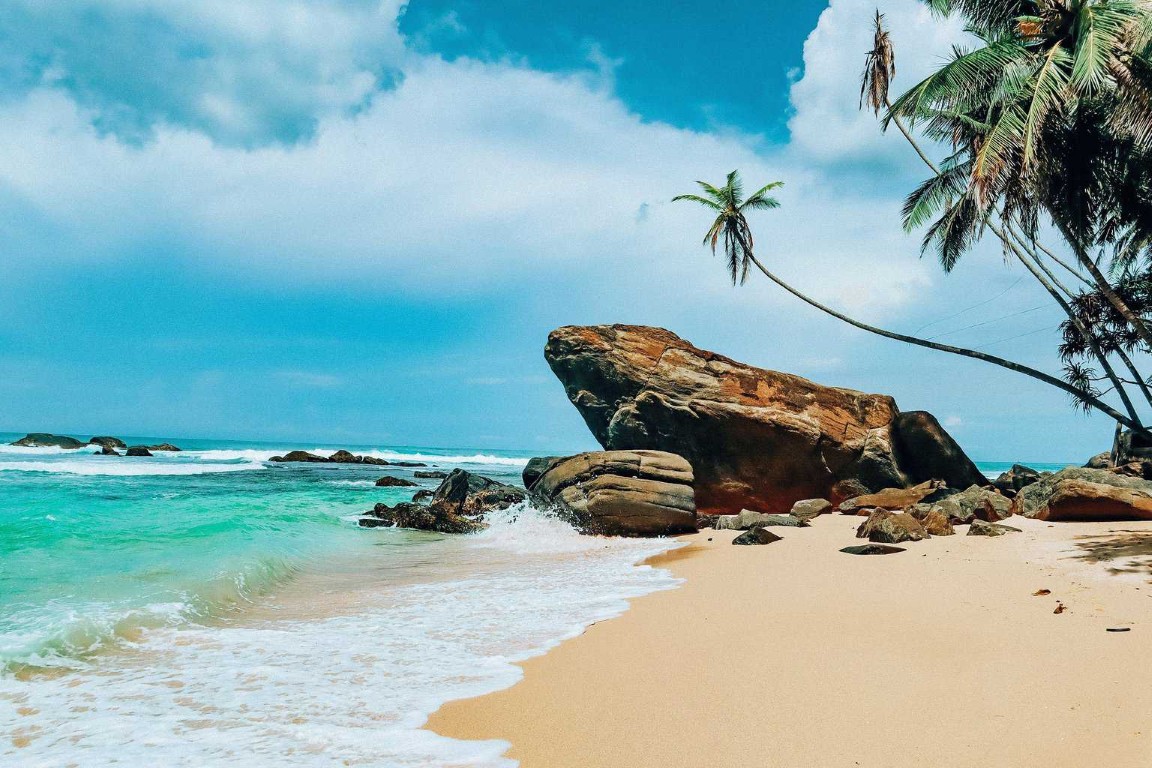
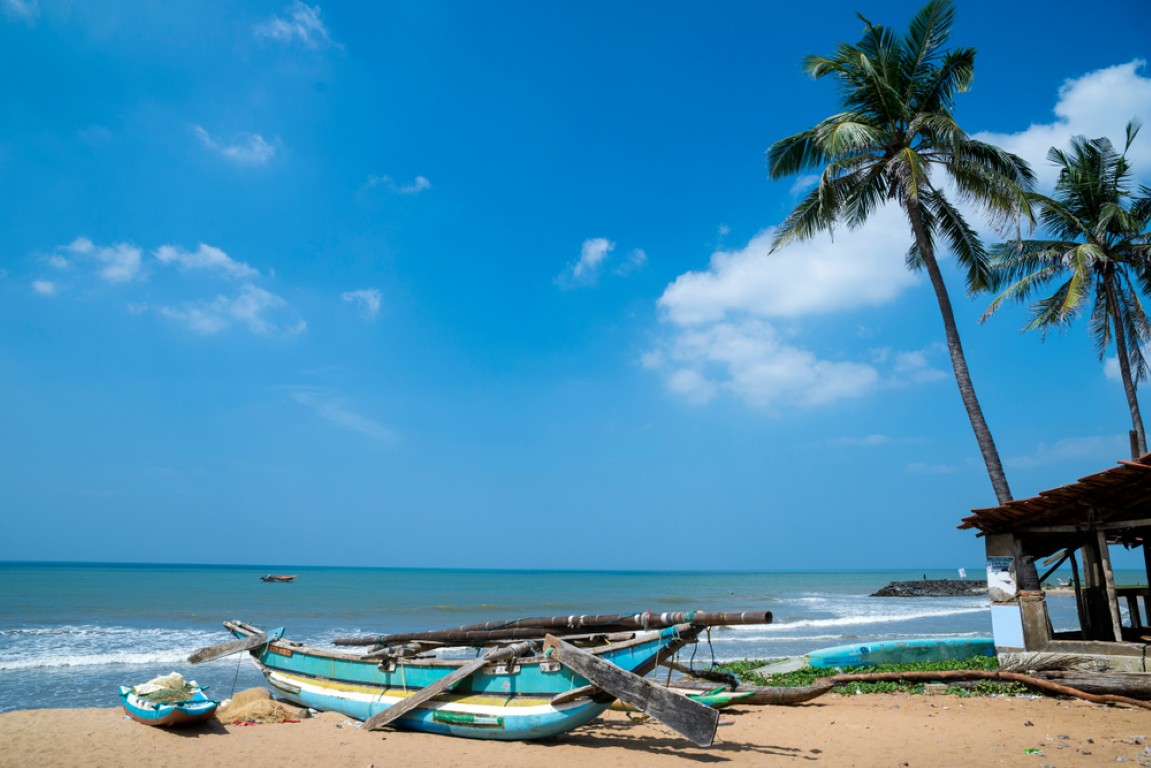
Sri Lanka’s coastline ranges from lively surf towns and wide golden beaches in the south-west, to calm turquoise lagoons on the east coast and the UNESCO-listed harbour city of Galle. Each destination has its own season, atmosphere and quality of light – and The Guardian Holidays guides you to the right coast at the right time.

Negombo

The coastal town immediately north of Bandaranaike International Airport – the natural first or last stop for most visitors to Sri Lanka. Its Dutch colonial canal network, active fishing community and Catholic church heritage reward those who give it genuine time rather than a hurried transit.

Passikudah

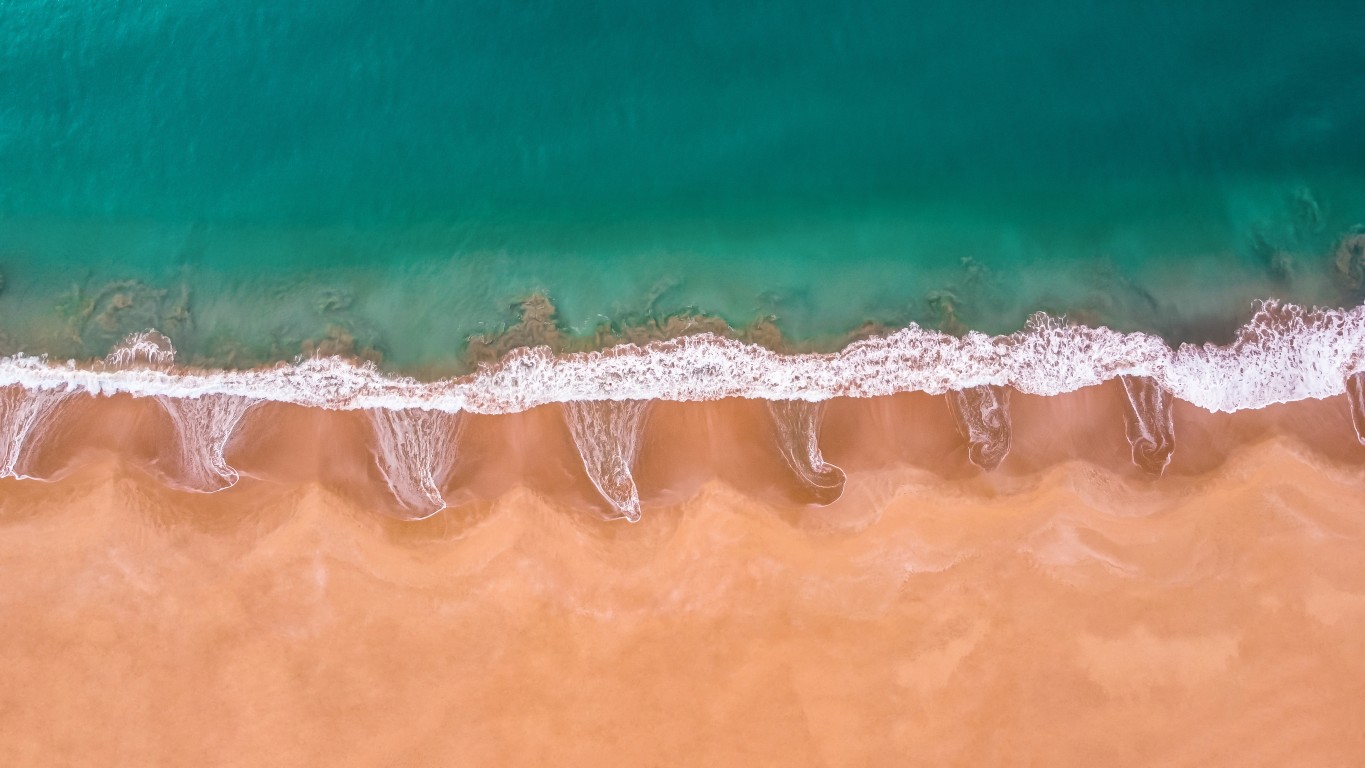
A sheltered east coast bay where the water remains waist-deep for hundreds of metres offshore – exceptionally safe for families and non-swimmers alike. A wide arc of fine white sand faces north and is at its finest between April and September during the east coast dry season.

Hikkaduwa

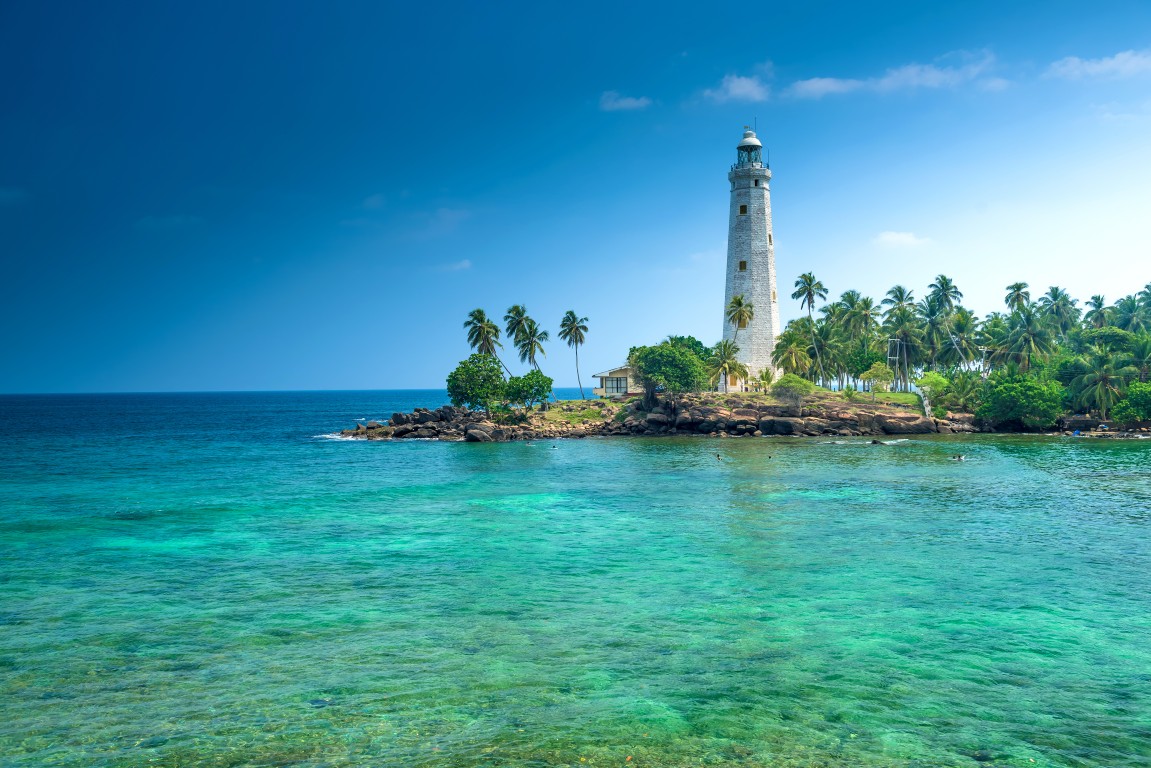
Sri Lanka’s most developed beach resort on the south-west coast, known for accessible coral reef snorkelling with sea turtles and reef fish directly from the beach. The offshore reef runs parallel to the beach road and has been internationally recognised since the 1970s.

Weligama

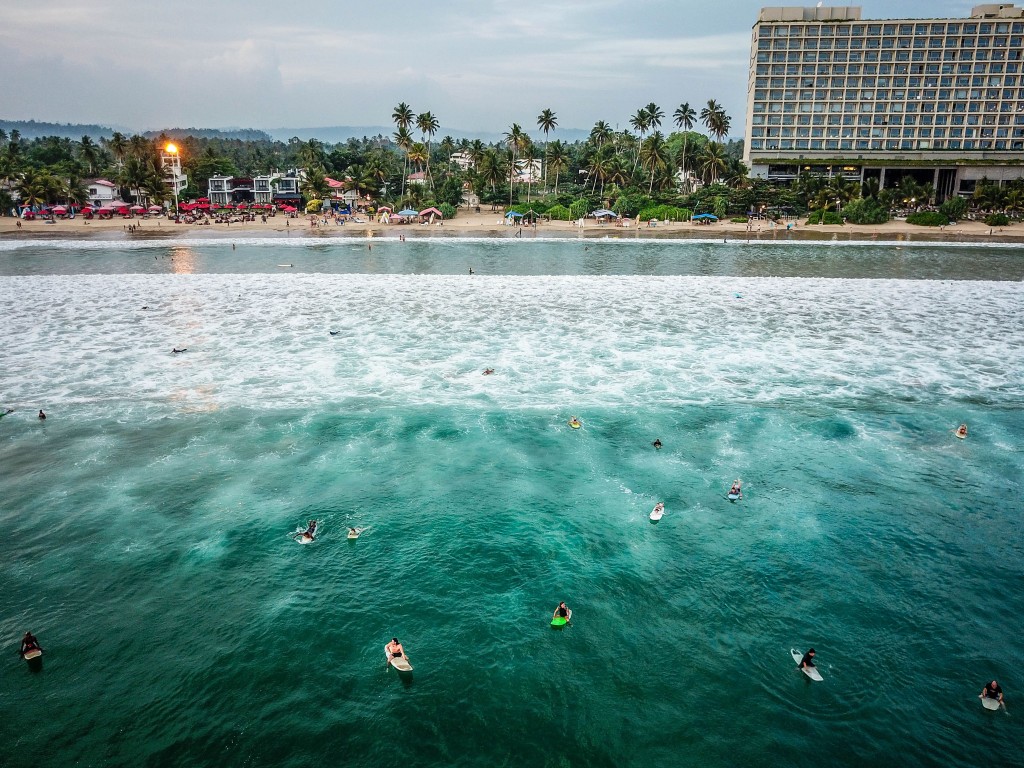
A broad open bay on the southern coast and Sri Lanka’s finest beginner surf location, with a long gentle wave and an established surf school scene. The town is also one of the best places on the island to see traditional stilt fishermen perched above the sea on wooden poles.

Unawatuna

A sheltered cove just east of Galle, with reef-protected water calm enough for swimming and snorkelling for most of the year. The rocky headland above the bay offers views along the southern coastline that are particularly beautiful in the late afternoon light.

Arugam Bay

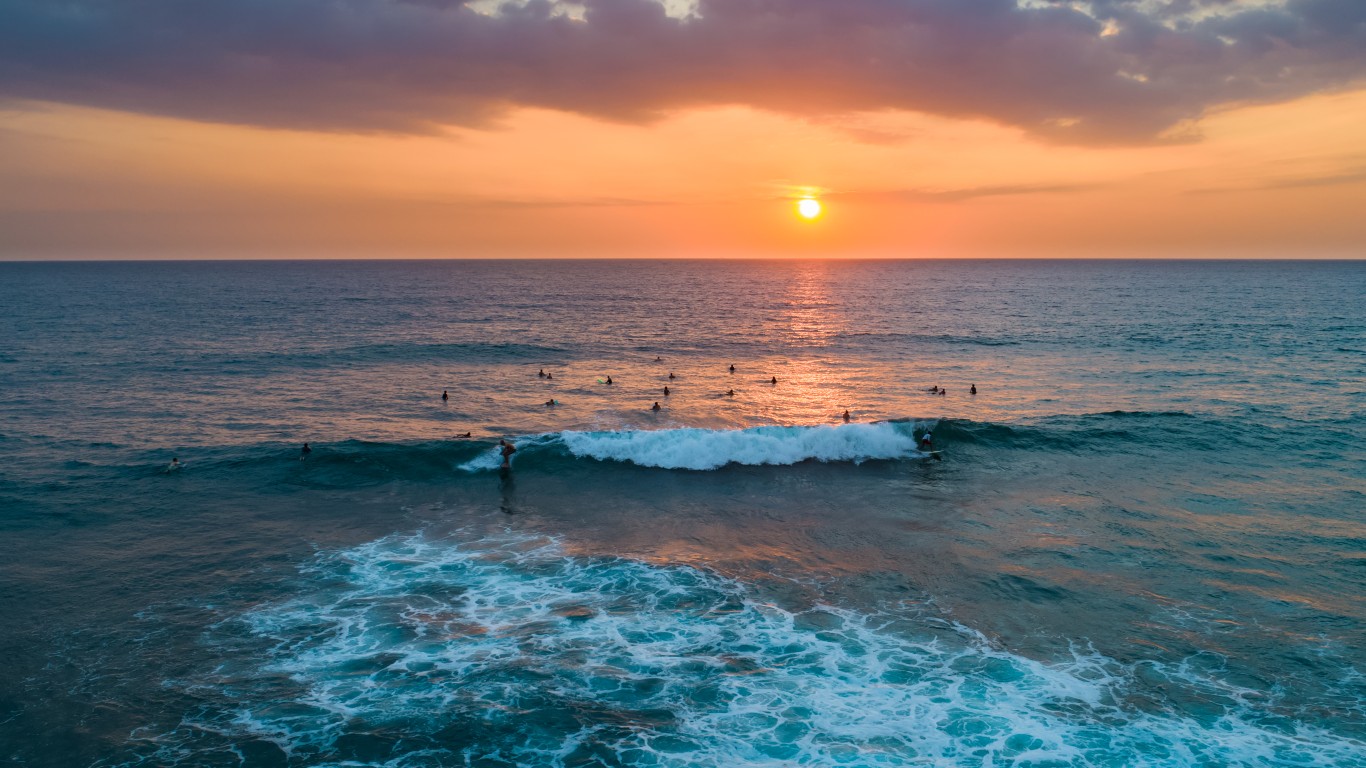
Sri Lanka’s most celebrated surf destination on the east coast – a right-hand point break with consistent waves from April to October and a warm, international coastal community built around it. The surrounding area holds coastal temples, Pottuvil Lagoon and the Kumana National Park wilderness.

Bentota

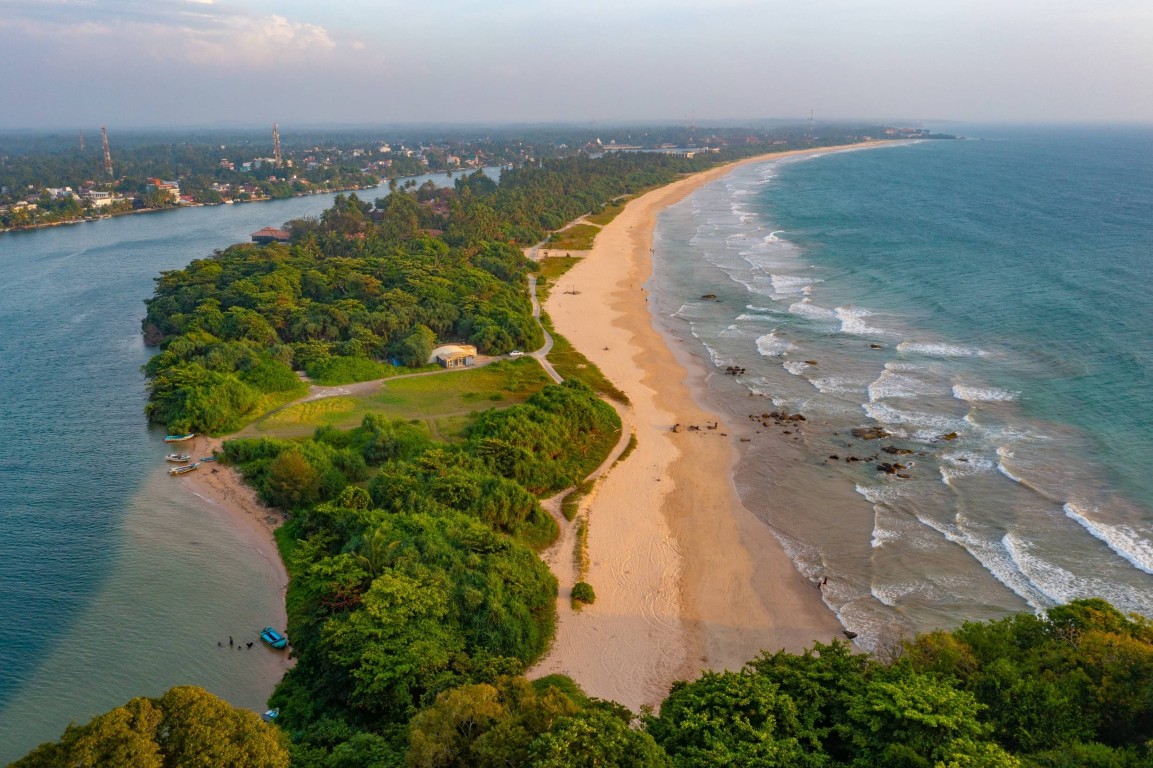
A south-western beach resort defined by the Bentota River estuary, which offers jet skiing, windsurfing and banana boat rides in calm conditions. The adjacent Madu River is a protected 915-hectare lagoon best explored by small boat through mangrove channels rich with birdlife.

Trincomalee

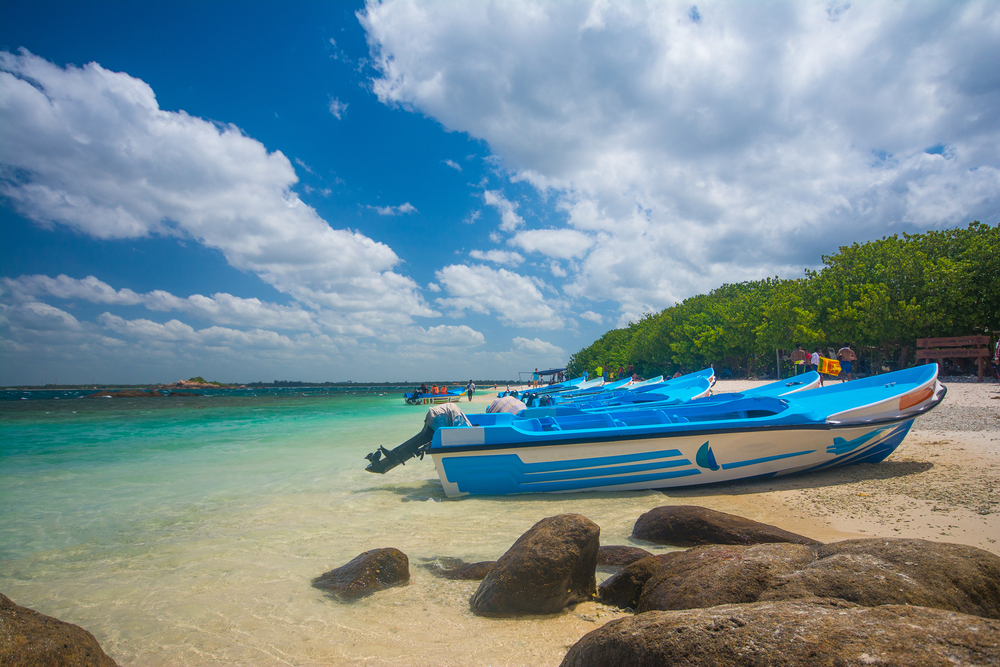
A spectacular natural deep-water harbour on Sri Lanka’s east coast, with the Koneswaram Temple perched dramatically 130 metres above the sea. The beaches at Nilaveli and Uppuveli are among the least crowded on the island, with excellent snorkelling at Pigeon Island National Park.

Galle

Sri Lanka’s most historically layered coastal city, anchored by a 17th-century Dutch fortification encircling the old town in a UNESCO World Heritage embrace. The fort’s coral-stone streets, colonial church, boutique galleries and cafes occupy a living heritage district unlike anything else on the island.

Mirissa

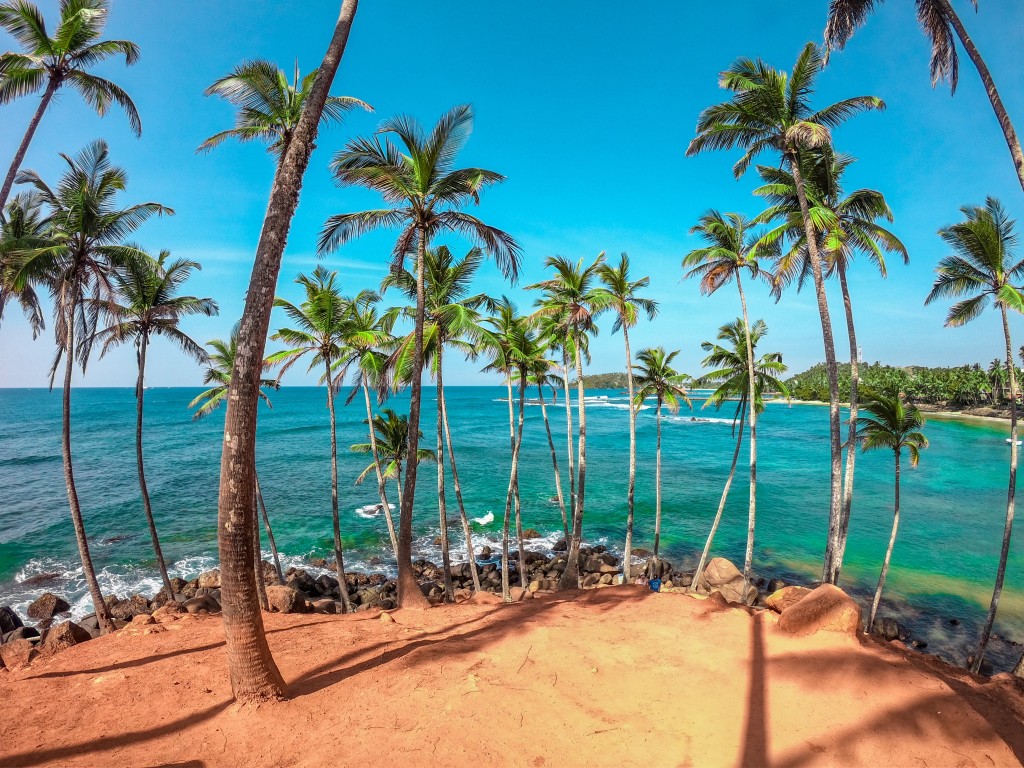
A small crescent bay on Sri Lanka’s southern tip, beloved for warm water, relaxed energy and one of the world’s finest whale watching channels. Blue whales and sperm whales are regularly encountered offshore between November and April, with Coconut Hill offering sweeping views over the coastline.

Civilisations that lasted millennia, preserved across stone, stupa and sacred forest.

Sri Lanka’s Cultural Triangle preserves royal capitals, sacred monastic complexes and hydraulic engineering of extraordinary ambition – many still active places of pilgrimage visited by Sri Lankan worshippers daily. The Guardian Holidays approaches every cultural site with the depth and reverence it deserves.

Dambulla

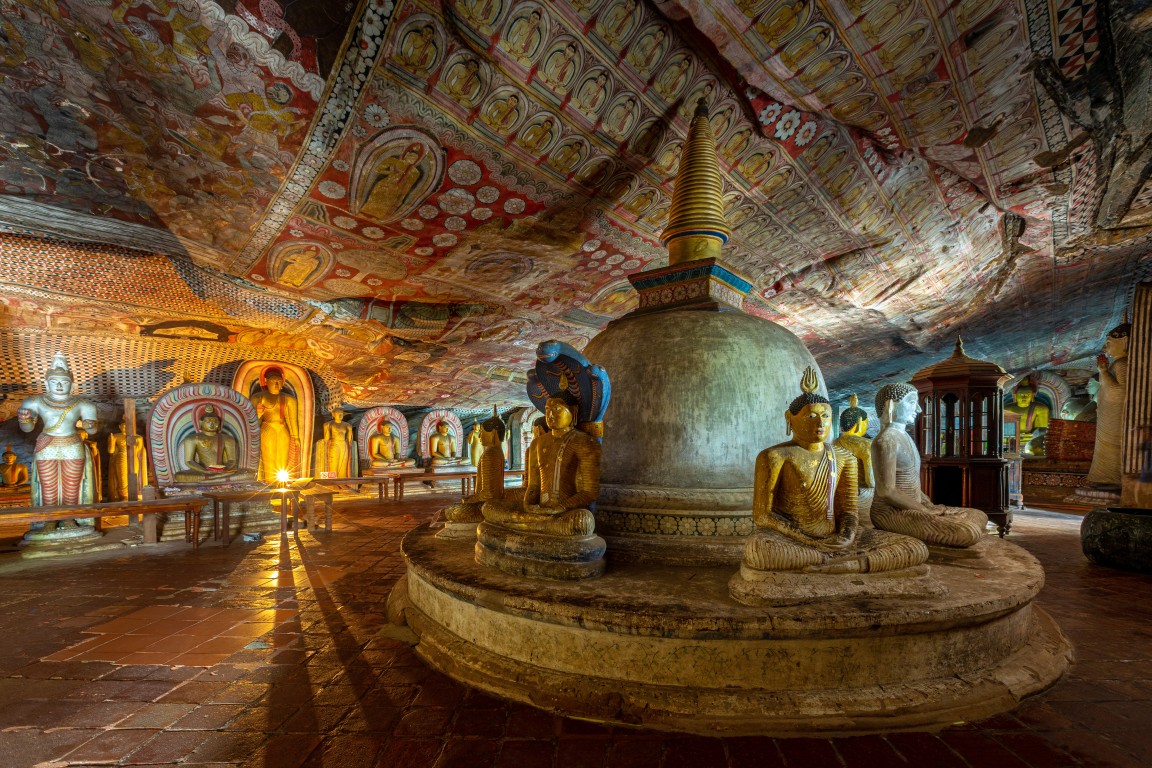
Five ancient rock-hewn shrines inside a 160-metre granite outcrop, with every inch of ceiling and wall covered in extraordinary painted murals and over 150 Buddha statues. The site has been in continuous devotional use for over two thousand years and the view from the cave terrace toward Sigiriya is extraordinary.

Sigiriya

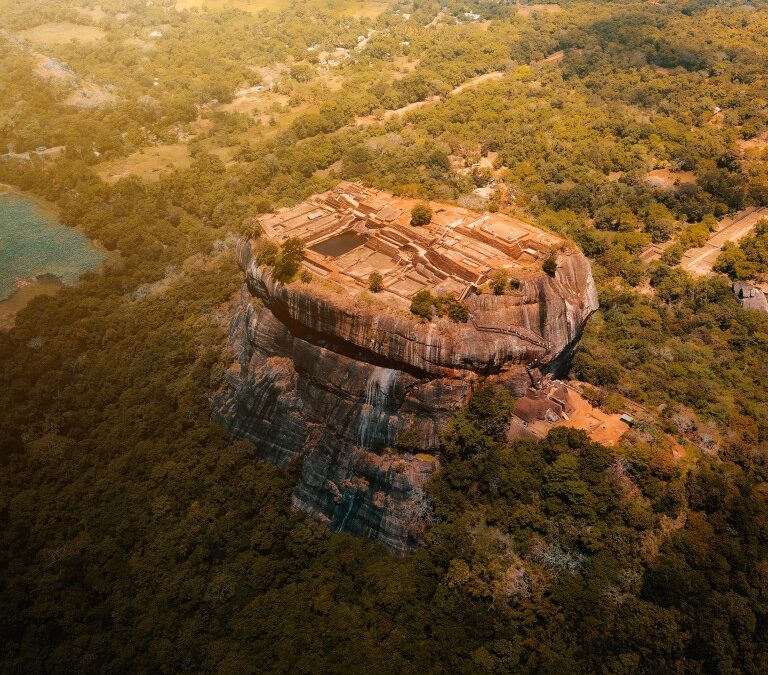
A volcanic rock plug rising 200 metres from the flat forest plains, topped by a 5th-century royal palace reached via ancient water gardens and a sheer cliff face painted with celestial maidens. A UNESCO World Heritage Site and Sri Lanka’s most visited monument – at its finest before the rest of the world wakes up.

Anuradhapura

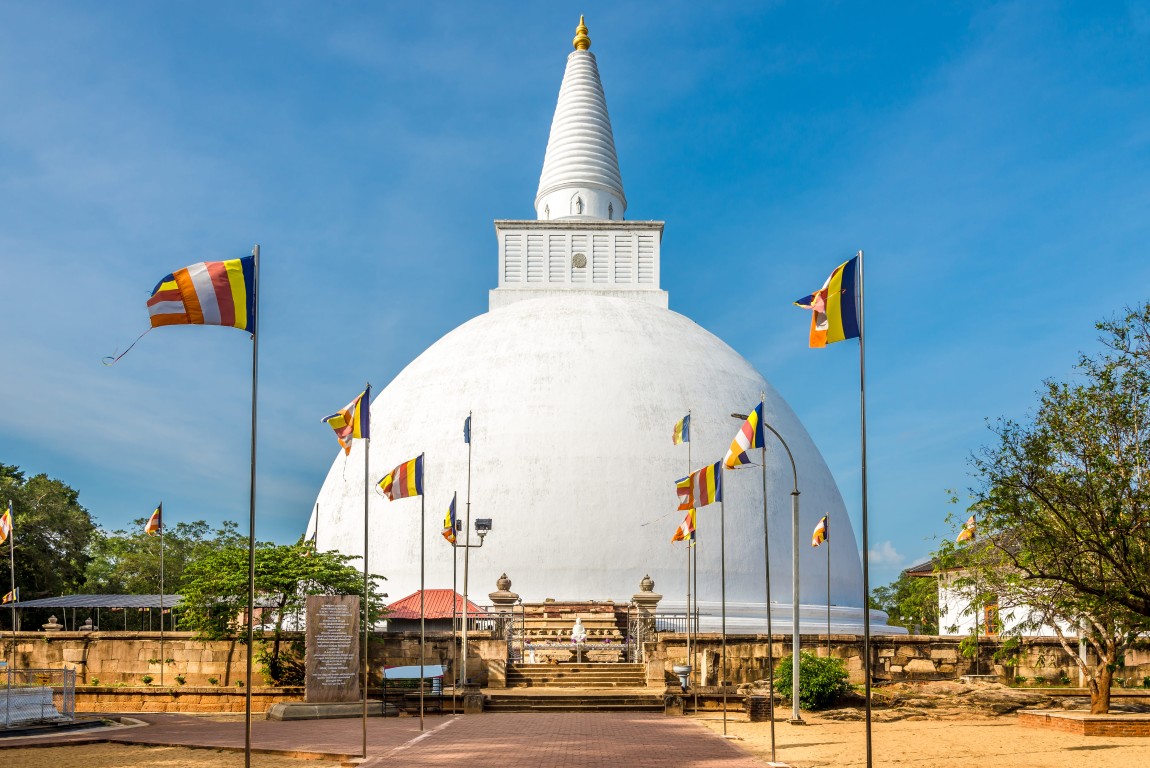
One of the oldest continuously inhabited cities in the world, holding the Sri Maha Bodhi Tree – the oldest documented living tree on earth, planted in 288 BC. Colossal white dagobas rise from the surrounding forest at a scale comparable to the Egyptian pyramids, still drawing pilgrims from across Asia daily.

Kandy

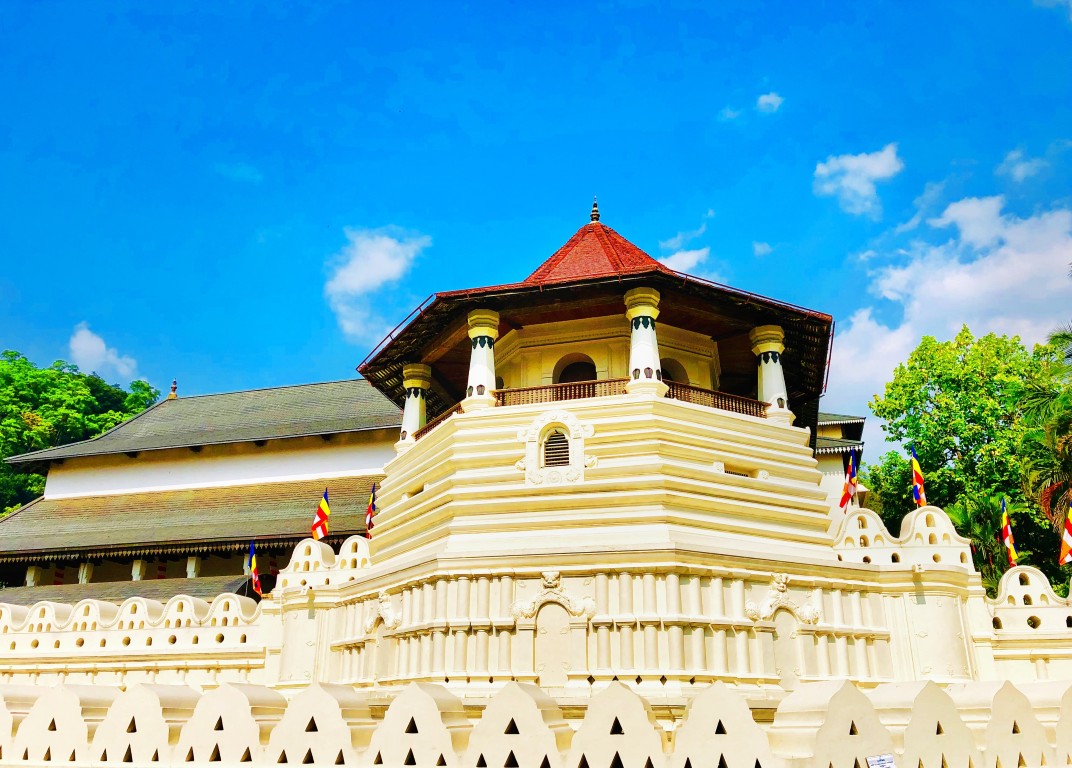
Sri Lanka’s last royal capital, built around a scenic lake and dominated by the Temple of the Sacred Tooth Relic – the most important Buddhist site in the country. Surrounded by forested hills at a cool highland elevation, Kandy rewards a two or three-night stay with deep cultural and scenic richness.

Polonnaruwa

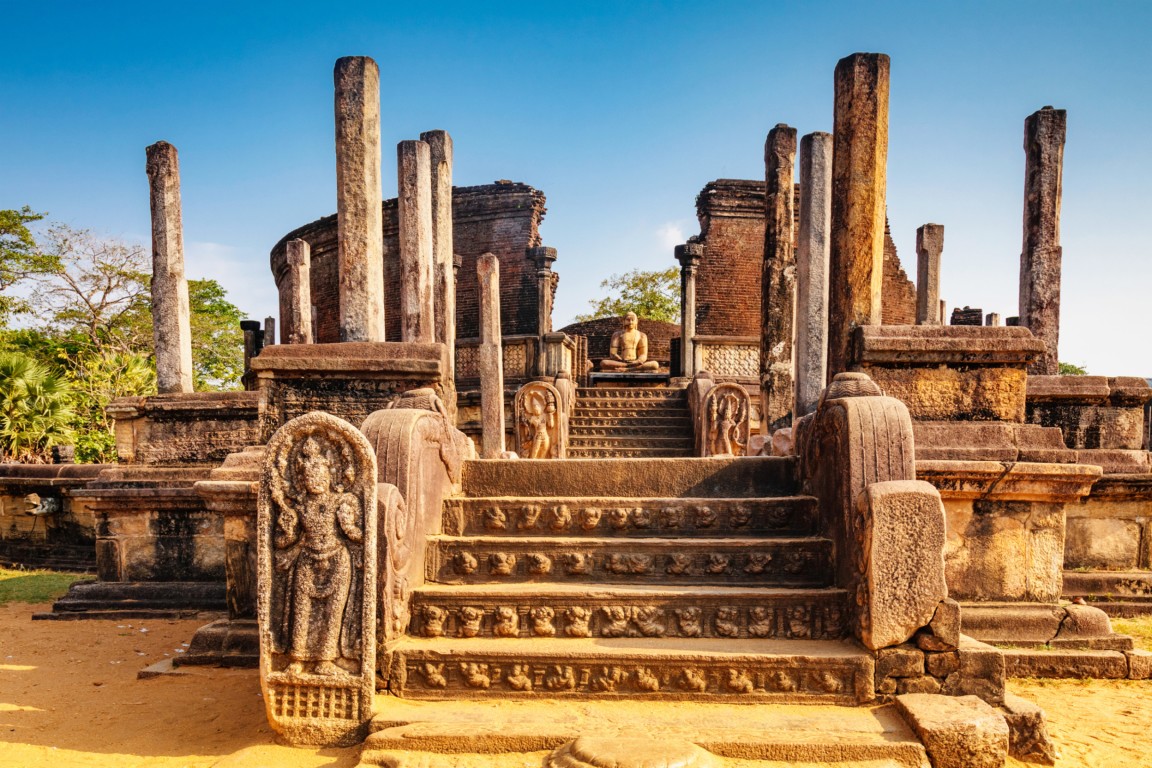
Sri Lanka’s medieval royal capital, flourishing from the 10th to 13th centuries and still remarkable in the quality of what remains. The Gal Vihara – four colossal Buddha figures carved from a single granite face – is the artistic pinnacle of Sri Lankan heritage and best explored at an unhurried pace by bicycle through the tree-shaded park.

Where the roads climb into cloud, the air turns cool and the world turns a shade of green you will not find anywhere else.

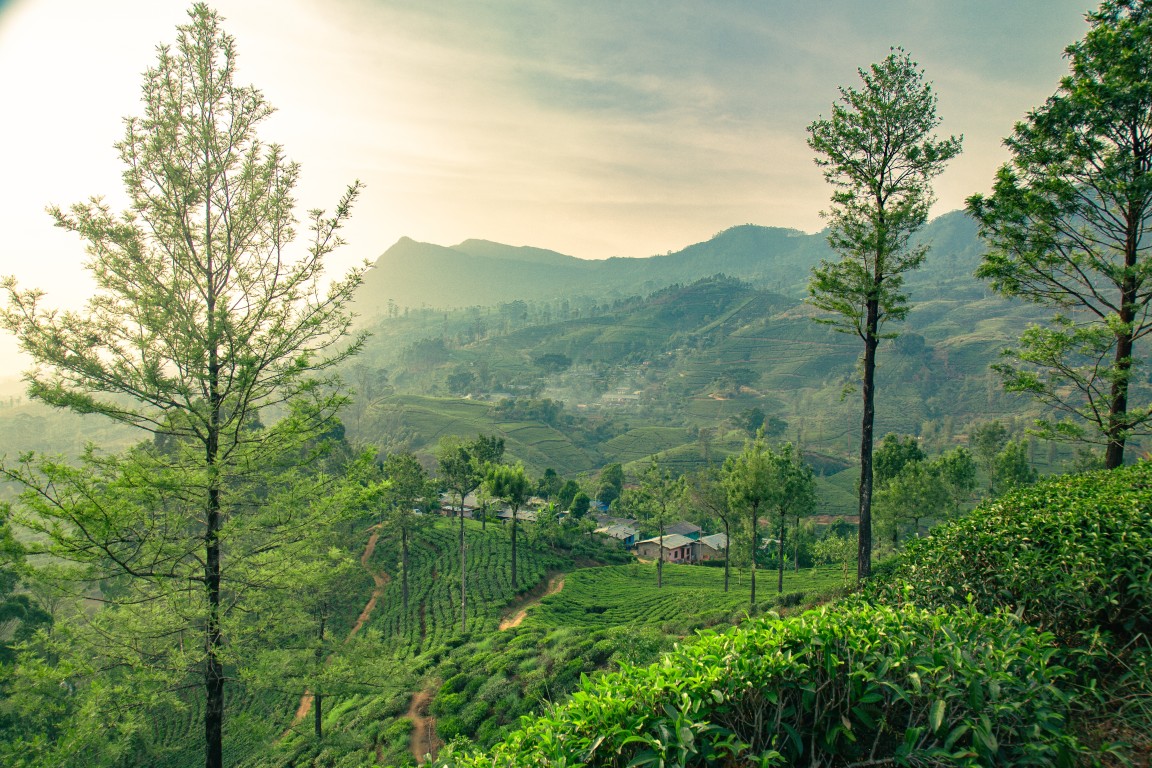
The central highlands of Sri Lanka produce the tea that has defined its global identity for 150 years – manicured estate rows climbing valley after valley in brilliant green. From waterfalls visible from mountain roads to the extraordinary high-altitude plateau of Horton Plains, these landscapes reward slow travel and early mornings above all else.

Knuckles Mountain Range

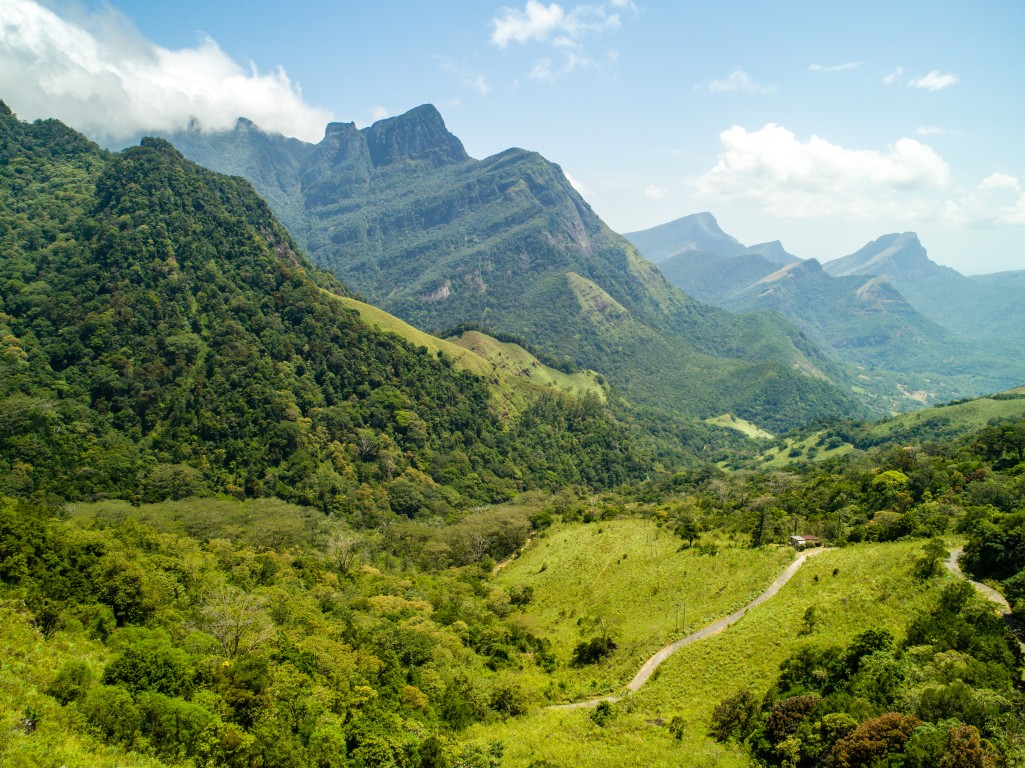
A UNESCO World Heritage biosphere reserve east of Kandy, offering cloud forest, montane grassland, waterfalls and ridge trails of exceptional biodiversity. Multi-day treks through the range and isolated village settlements make it one of the most rewarding walking destinations on the island.

Kitulgala

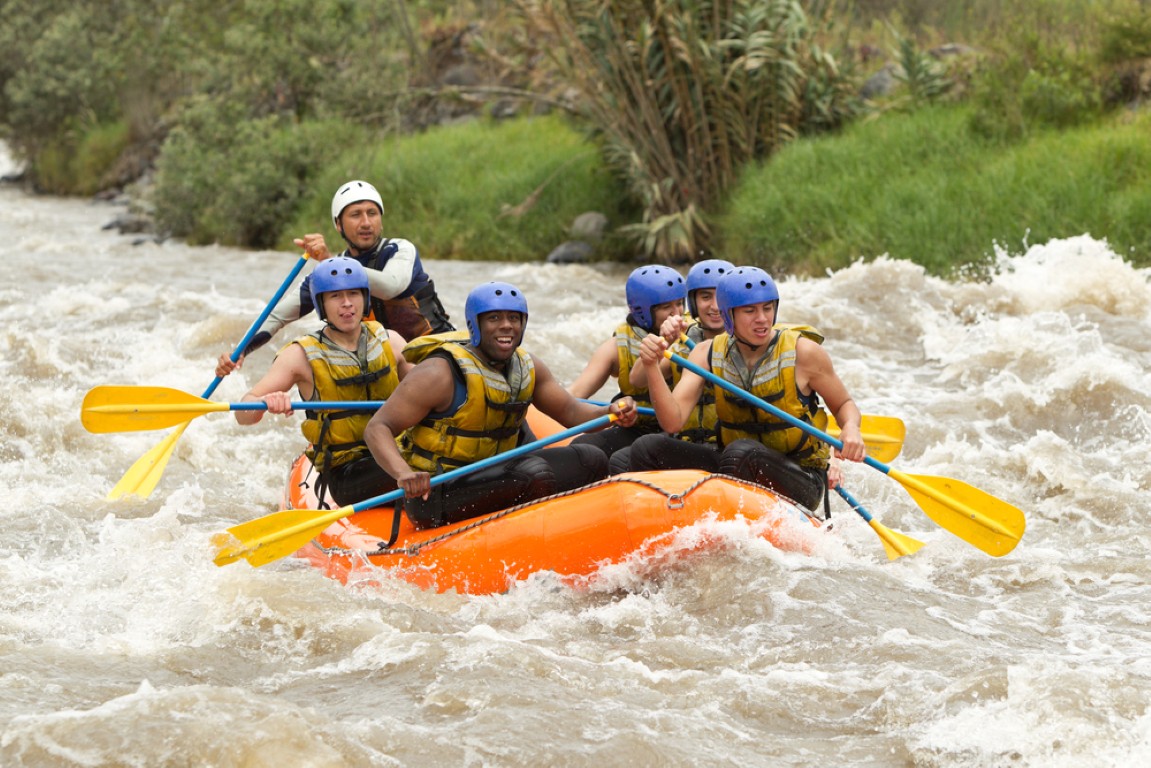
A river town in the wet-zone foothills and Sri Lanka’s premier white water rafting destination, with Grade 3-4 rapids through a forested gorge on the clear Kelani Ganga. Also the original filming location of David Lean’s 1957 Bridge on the River Kwai and one of the island’s finest birding destinations.

Horton Plains

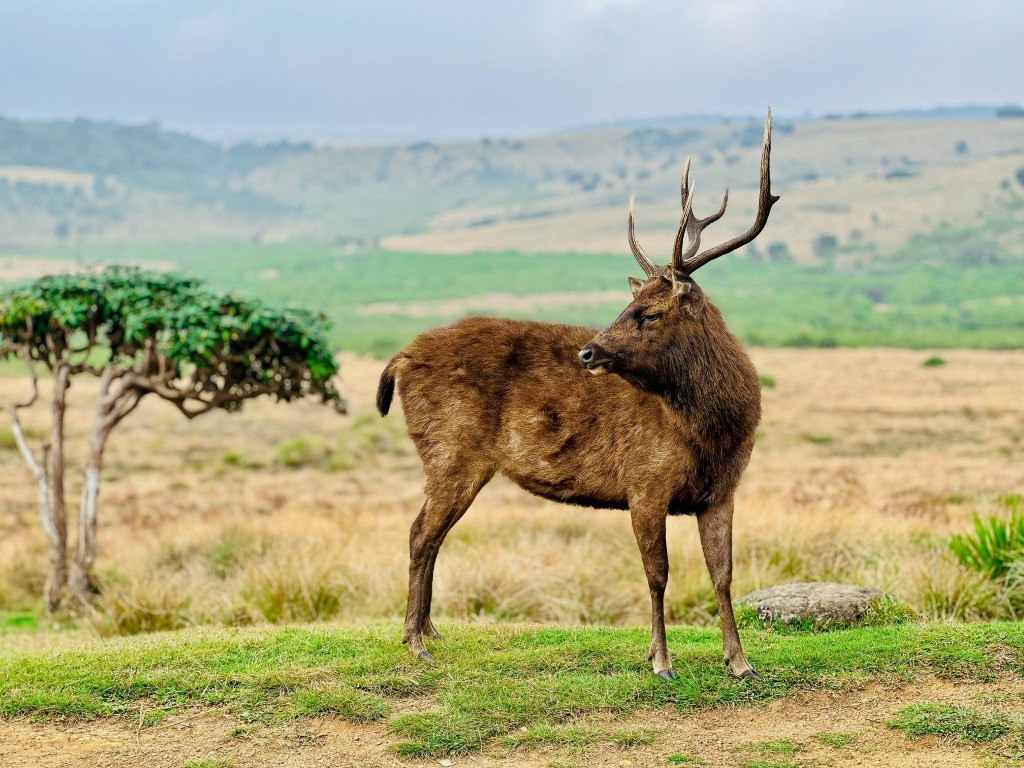
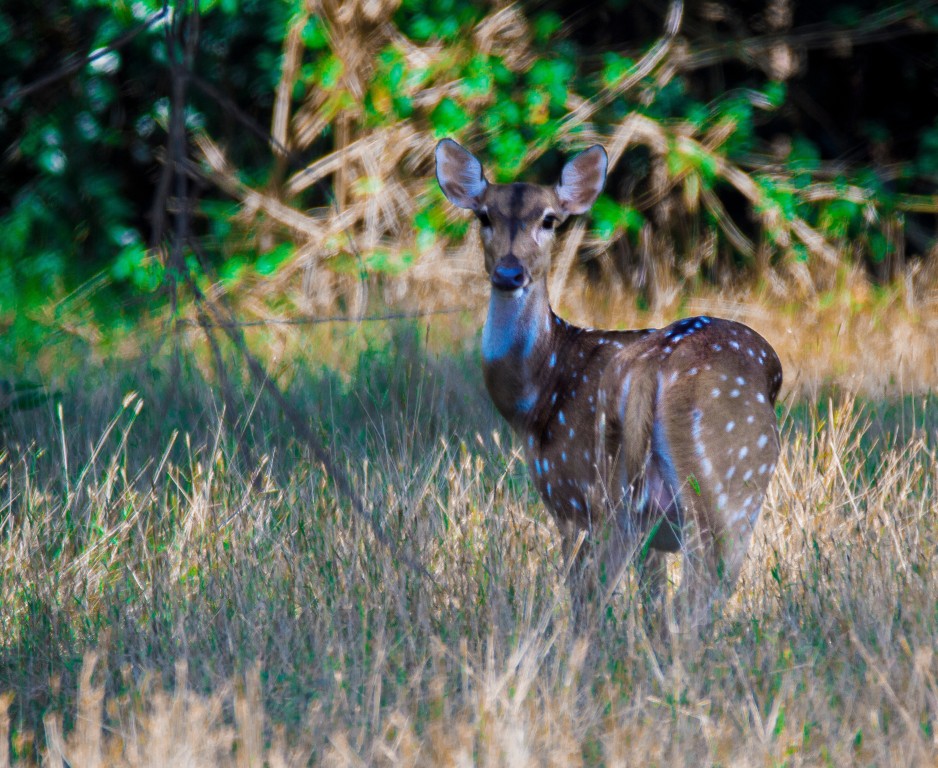
A UNESCO-listed high-altitude plateau at 2,100 metres, with a circular trail through cloud forest to World’s End – a sheer 900-metre escarpment with views across the southern lowlands. Best walked before seven in the morning, when the plateau belongs to the mist, the sambar deer and the silence.

Ella

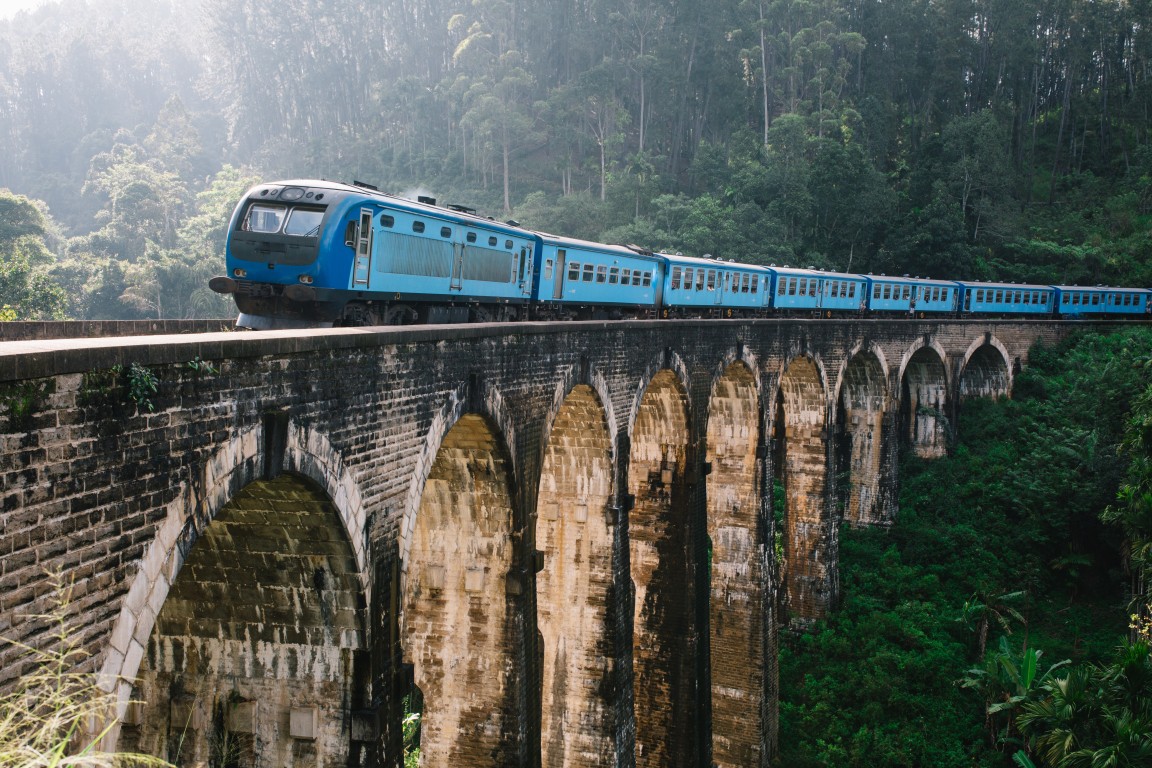
A small highland village at the edge of the hill country where the mountains drop suddenly toward the southern plains, creating the dramatic Ella Gap view extending a hundred kilometres on a clear day. Nine Arch Bridge and Little Adam’s Peak are iconic anchors of a village best appreciated slowly over several mornings.

Nuwara Eliya

Sri Lanka’s most elevated town at 1,800 metres, surrounded by continuous tea estate and carrying a distinctly colonial hill-station character unlike anywhere else on the island. The air is cool, afternoons are frequently misty and the town’s old post office, racecourse and highland market are pleasantly off-kilter.

Elephants at the water’s edge, leopards in the scrub and the extraordinary silence of Sri Lanka’s wild country.

Sri Lanka’s national park system protects diverse ecosystems from the coastal scrubland of the south to the remote dry-zone wilderness of the north-west. The island holds some of the highest wildlife densities in Asia, producing encounters with leopards, elephants and exceptional birdlife that exceed the expectations of even experienced safari travellers.

Wasgamuwa National Park

An underrated wildlife destination in the central hills transition zone, with substantial elephant herds, leopards, sloth bears and exceptional waterbirds along the Mahaweli River. Low visitor numbers mean encounters here feel genuinely undisturbed.

Minneriya National Park

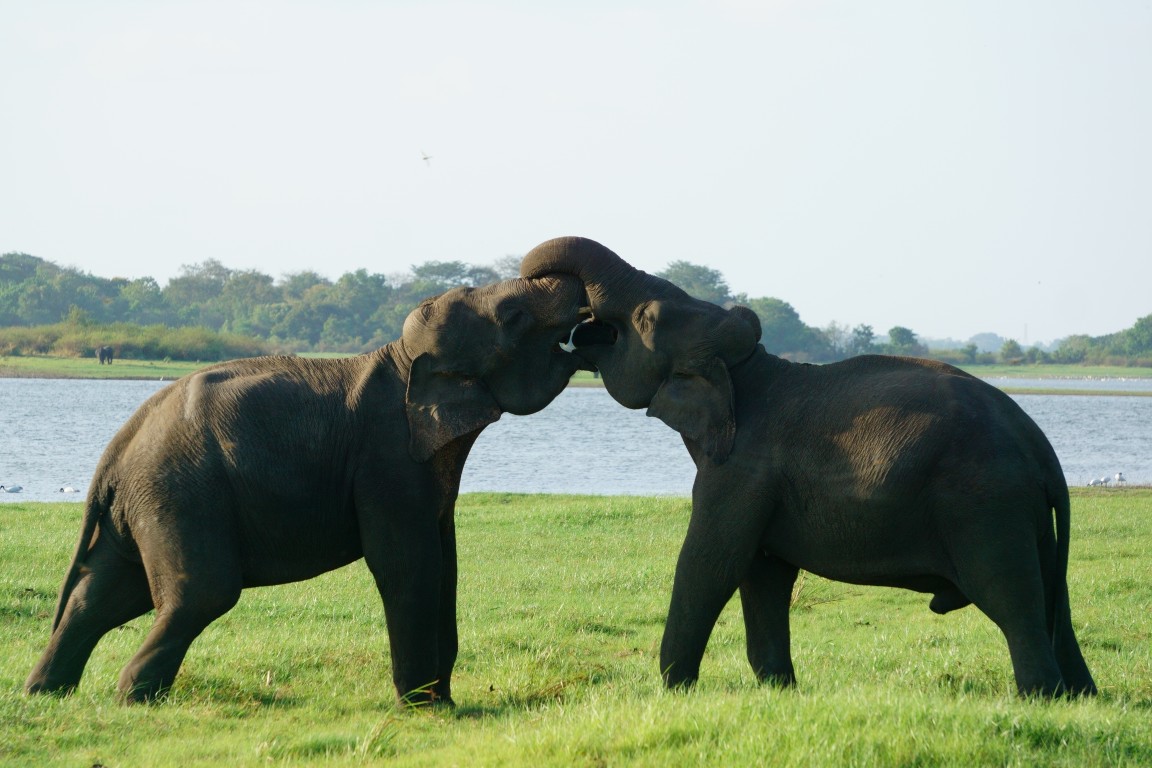
Home to the Gathering – one of the most extraordinary wildlife spectacles in Asia – where hundreds of wild elephants converge on the ancient reservoir between July and October. Concentrations exceeding 300 animals in a single afternoon have been recorded, described as the greatest elephant congregation on the planet outside Africa.

Yala National Park

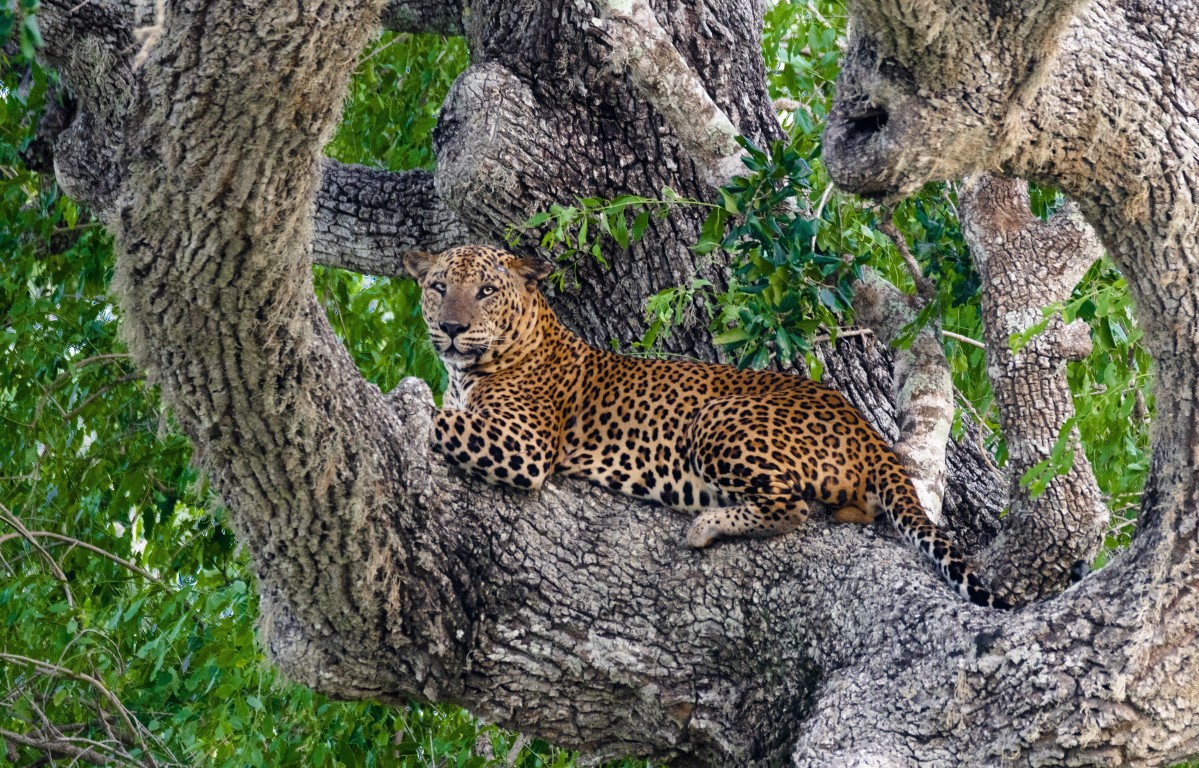
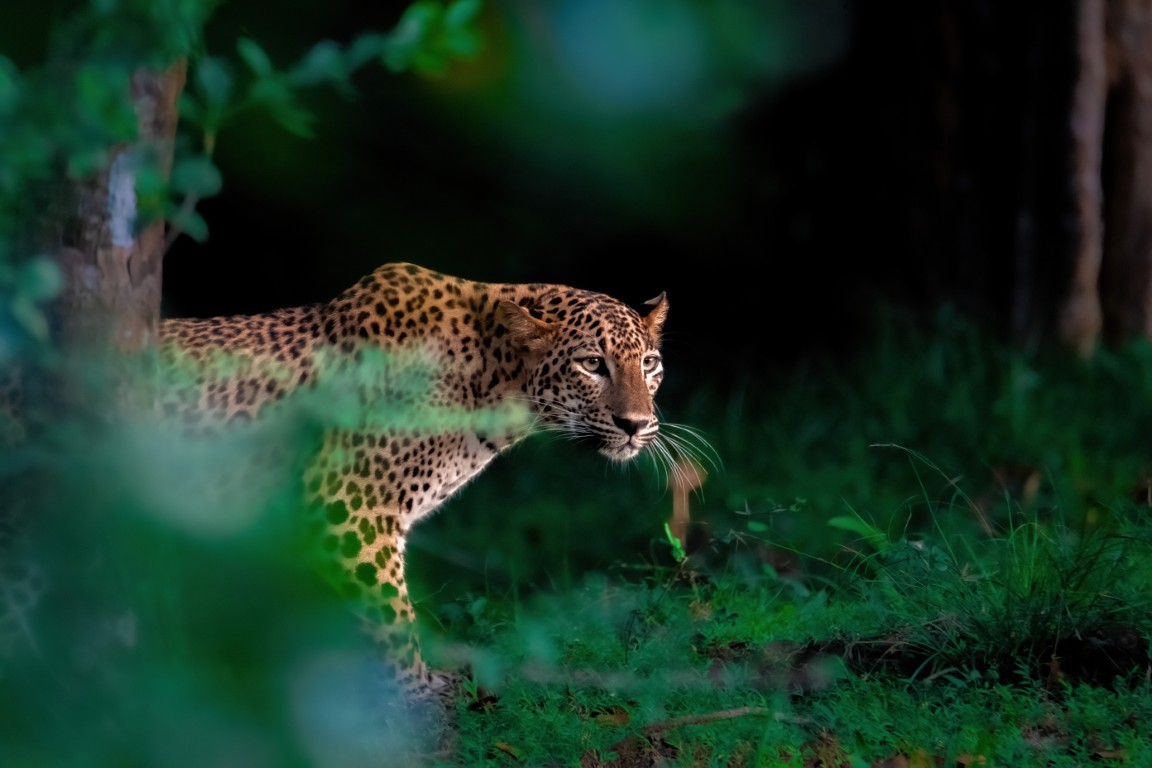
Sri Lanka’s most celebrated wildlife reserve, holding the highest density of wild leopards per square kilometre recorded anywhere on earth. The mosaic of grassland, scrub forest, ancient reservoirs and coastal lagoons supports elephants, sloth bears, crocodiles and over 215 bird species.

Wilpattu National Park

Sri Lanka’s largest national park, defined by its natural forest lakes called villus and known for leopards, sloth bears and a quality of stillness the busier southern parks cannot match. Ideal for travellers seeking a remote and meditative safari experience with low visitor numbers.

Udawalawe National Park

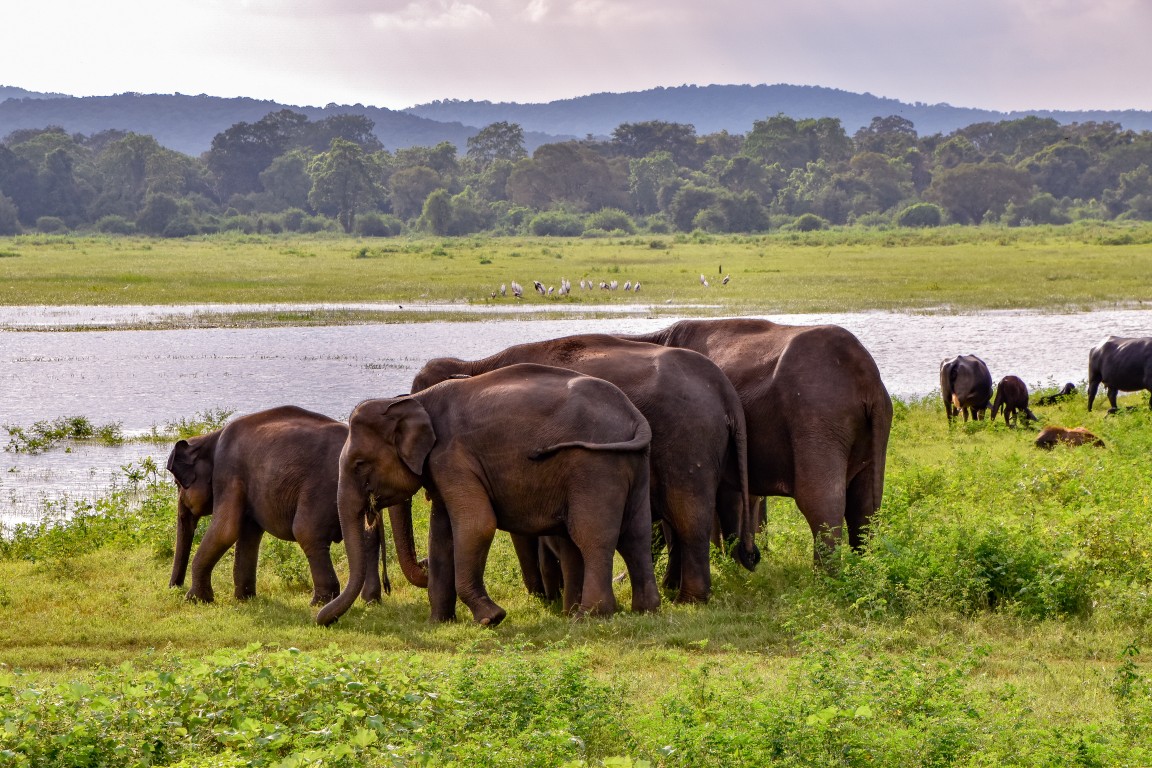
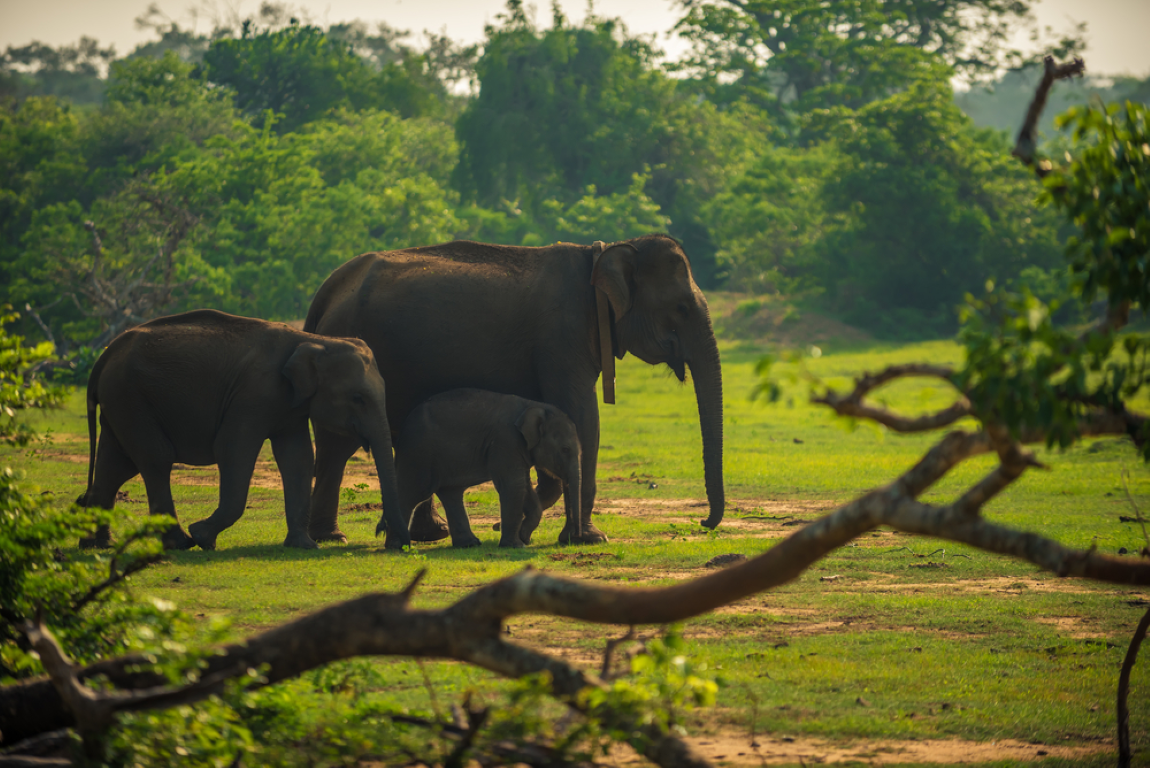
The most reliable place on the island – and one of the most reliable in the world – to see large herds of wild Asian elephants in open, well-lit terrain. Herds of 20 to 50 are commonly encountered at the reservoir margins, alongside wild buffalo, mugger crocodiles and exceptional waterbird concentrations.

Sri Lanka’s quieter wild places, where the forest is old, the biodiversity is extraordinary and the crowds have not yet found their way.

Beyond the headline national parks, Sri Lanka conceals forest habitats, river ecosystems and ecological sanctuaries that reward travellers willing to venture further. These are destinations for nature lovers, birders and hikers who want extraordinary biodiversity in settings that feel genuinely undisturbed.

Yala’s Coastal and Wetland Zone

The coastal lagoon and wetland ecosystems within Yala form a distinct ecological zone with flamingos, sea eagles and exceptional waterbird diversity quite separate from the leopard-focused scrub interior. Ancient reservoirs within the park reveal an ecological depth that rewards those with a broader wildlife interest.

Ritigala Forest Monastery

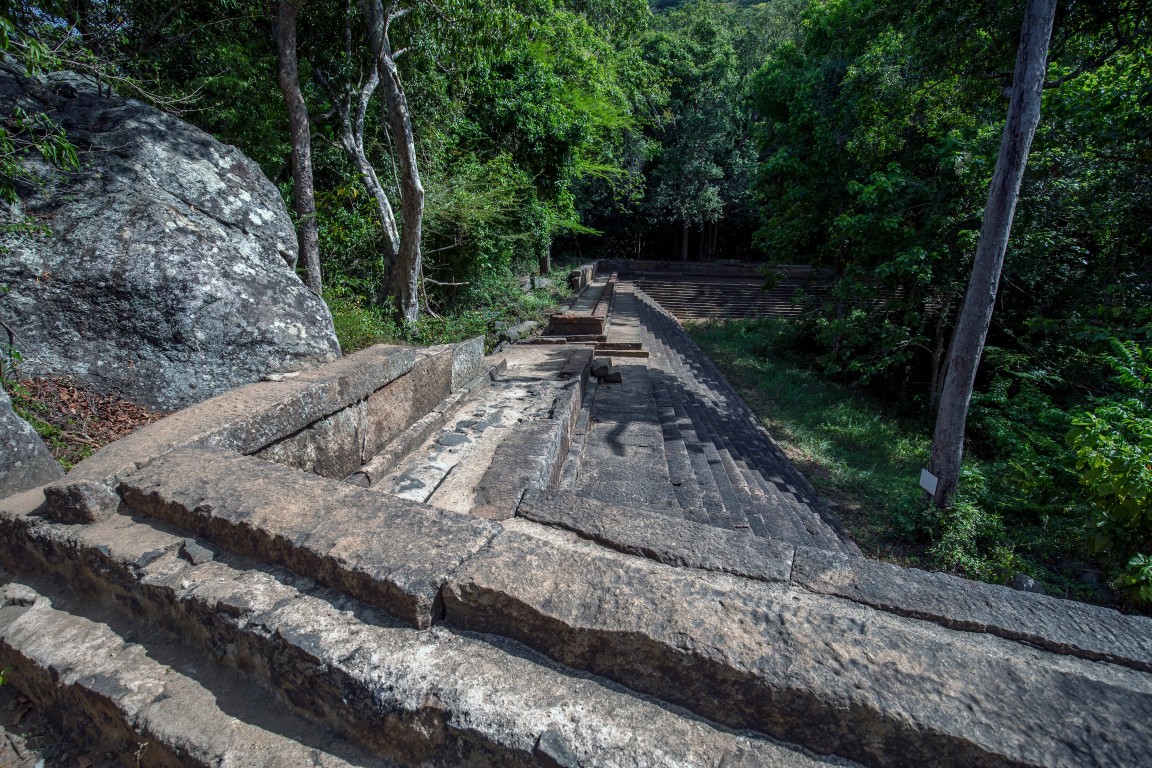
An atmospheric ancient monastery deep in the dry-zone wilderness north of Dambulla, accessible only on foot through dense forest and largely unexcavated. Unusual paired meditation platforms connected by raised stone pathways create a sense of extraordinary antiquity found nowhere else in Sri Lanka.

Hiriketiya

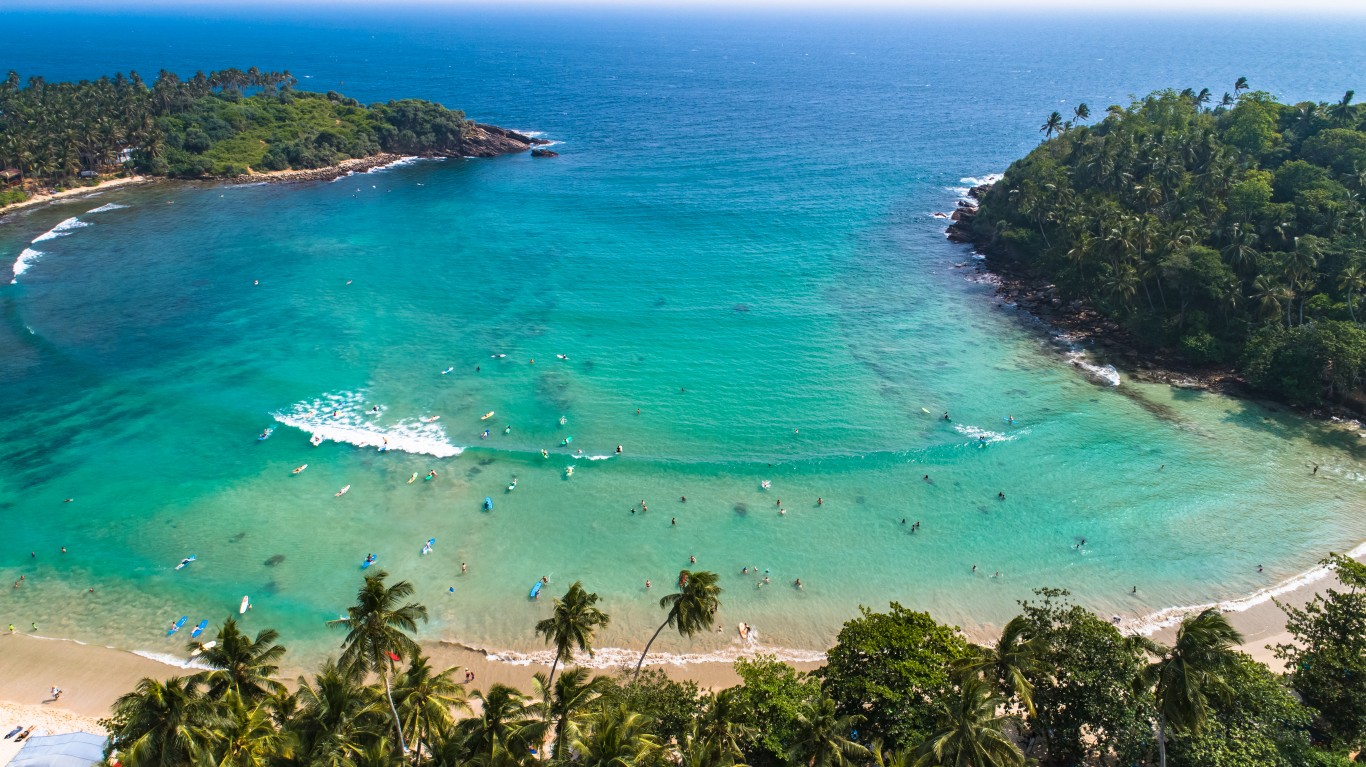
A small horseshoe-shaped bay on the southern coast with a sheltered wave ideal for beginner and intermediate surfers and a warm, unhurried coastal atmosphere. Reef snorkelling directly from the beach and intimate guesthouses ringing the cove make it a favourite for those seeking something quieter than the main resort towns.

Gal Oya National Park

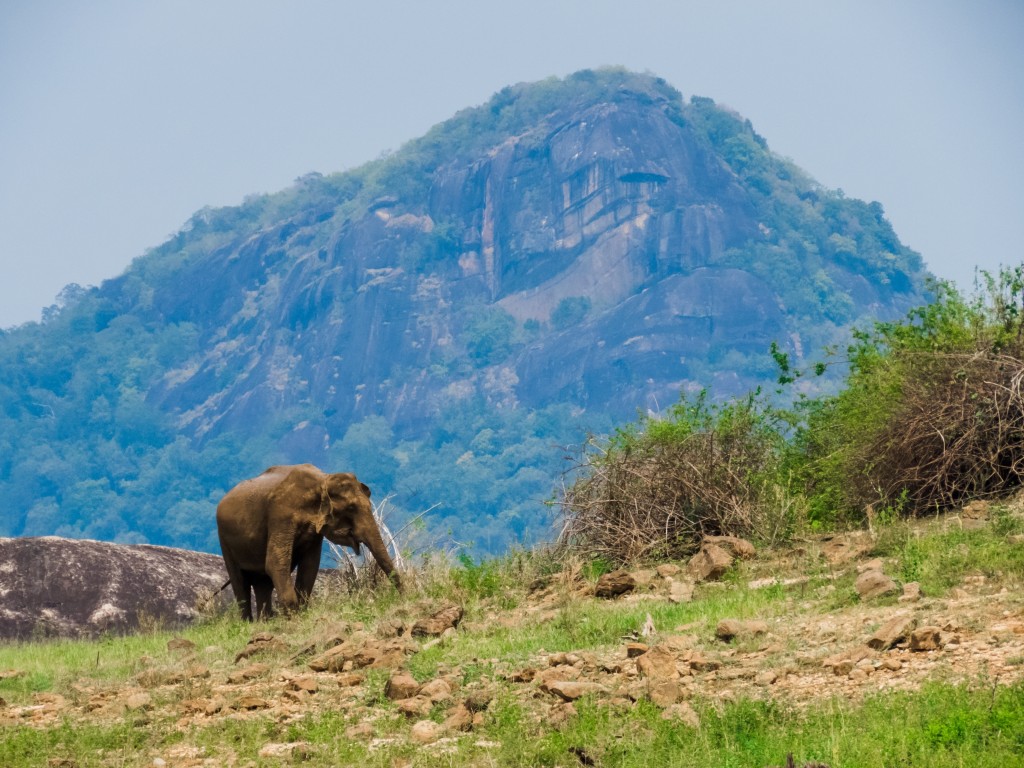
Sri Lanka’s most remote major park, protecting vast dry-zone forest around the island’s largest reservoir and accessible by boat. It is the only park in Sri Lanka where wildlife – including elephants swimming between forested islands – can be observed directly from the water.

Sinharaja Rainforest

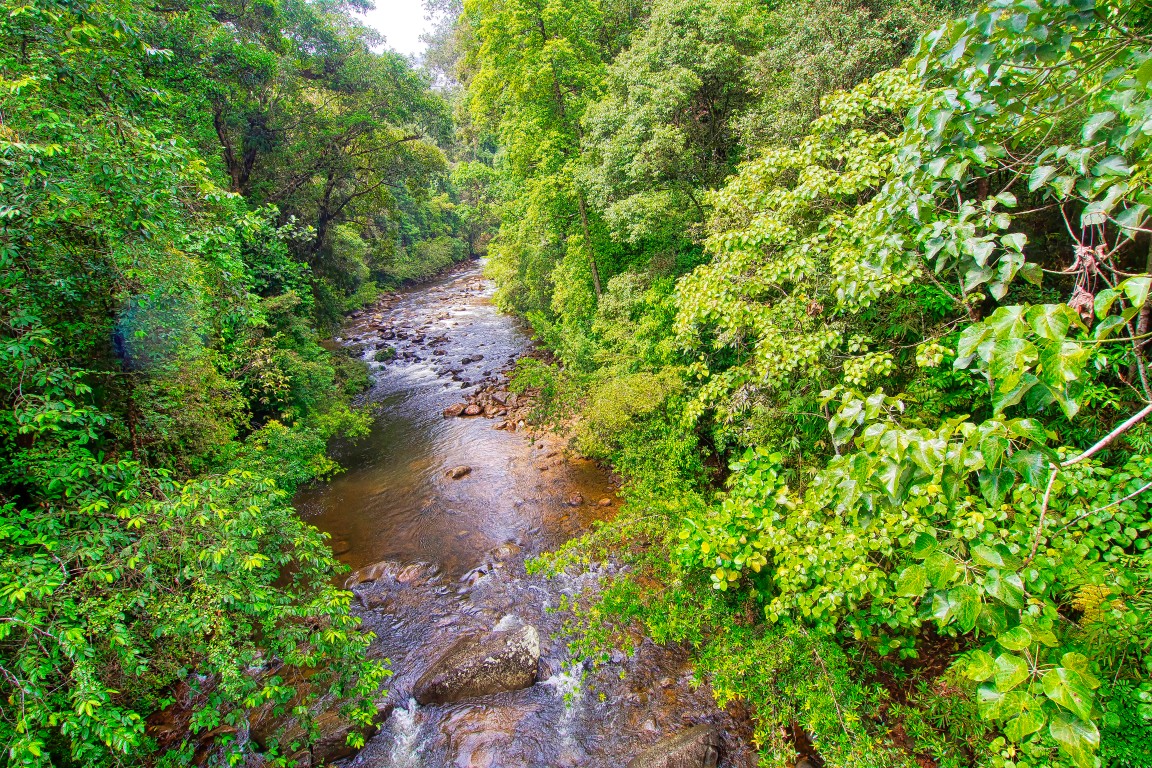
The most biologically significant surviving tract of primary lowland rainforest in Sri Lanka and a UNESCO World Heritage Site. A third of its tree species are endemic, and it holds 22 of the country’s 26 endemic bird species within a single day’s walking range with a specialist resident naturalist.